 Chingelish
CHINGELISH JOURNAL · FOR PARENTS
A smarter way for children to learn English
Learning English need not mean long worksheets or one-size-fits-all drills. See how short, varied activities can help children practise a little at a time — and give parents a clearer view of their progress.
5-minute read · Ages 4–12
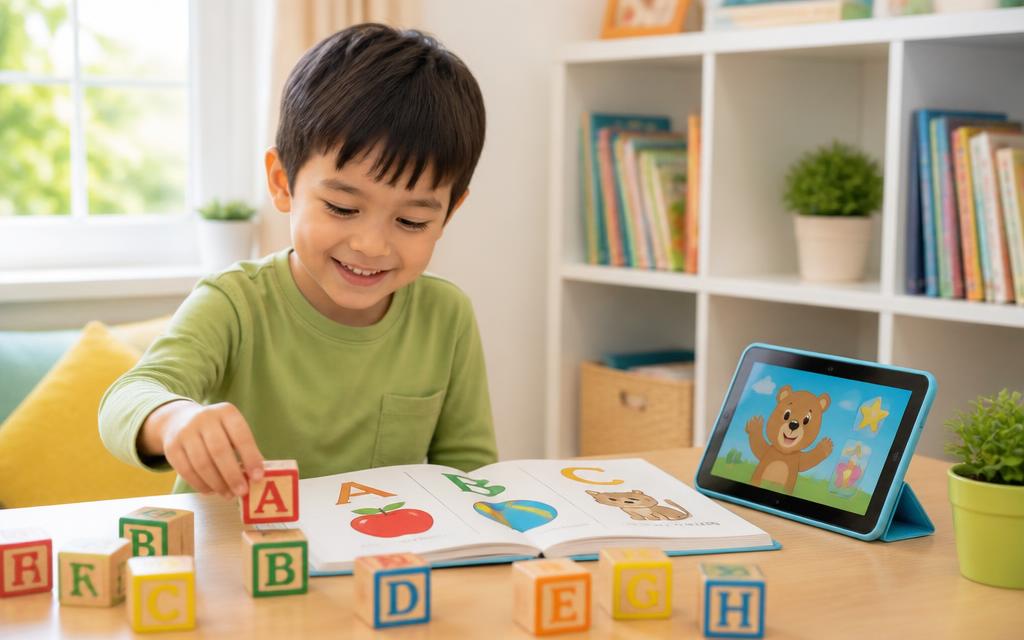
For many families, traditional English practice can feel repetitive: a page of words to memorise, a grammar rule to copy, then another worksheet. Those activities can have their place, but children often need to hear, see, say and use new language in more than one way. A flexible routine can make practice easier to fit into everyday life.
Chingelish brings these different ways of learning British English together for children aged 4–12. Little Learners (4–7) and Young Explorers (8–12) have age-matched activities, so a child can build from first sounds and words towards longer reading, writing and conversations.
More than one way to learn
Different skills call for different kinds of practice. Children can move between focused activities and playful challenges.
Phonics & first sounds
Younger learners connect letters with sounds, practise tracing and meet their first words through approachable activities.
Vocabulary & listening
Pictures, examples and audio help children recognise new words and hear how they sound in British English.
Spelling, reading & writing
Children can practise spelling and handwriting, read stories, and gradually build confidence in writing their own ideas.
Grammar & conversations
Short exercises give feedback and explanations, while guided conversations offer structured chances to practise using English.
PRACTICE WITH PURPOSE
Games make room for another try
A game can turn revision into a fresh challenge. Chingelish brings games alongside lessons, stories and speaking practice, giving children different ways to return to the words and ideas they have met.
Stars, streaks, rewards and certificates recognise progress and milestones. They give children something to celebrate while the learning remains the point.


PARENTS STAY INVOLVED
A clearer picture of progress
The Parent Zone shows learning progress and activity, so you can see what your child has been working on and decide what to encourage next. Parents can set a daily screen-time limit for each child. See how the parent progress tracker works.
Children use a picture and four-digit code to sign in; new devices need parent approval. Guided conversations are structured rather than open-ended AI chat.
Start small, then build a rhythm
Try a simple routine: explore a few new words, practise one skill, then finish with a game or story. On another day, revisit a tricky spelling or talk about what your child enjoyed. There is no need to turn every session into a test.
If you are looking for a colourful alternative to repeated worksheets, explore Chingelish.com and choose the learning group that fits your child. Parents can review the plans and free trial before getting started.
Back to Chingelish